
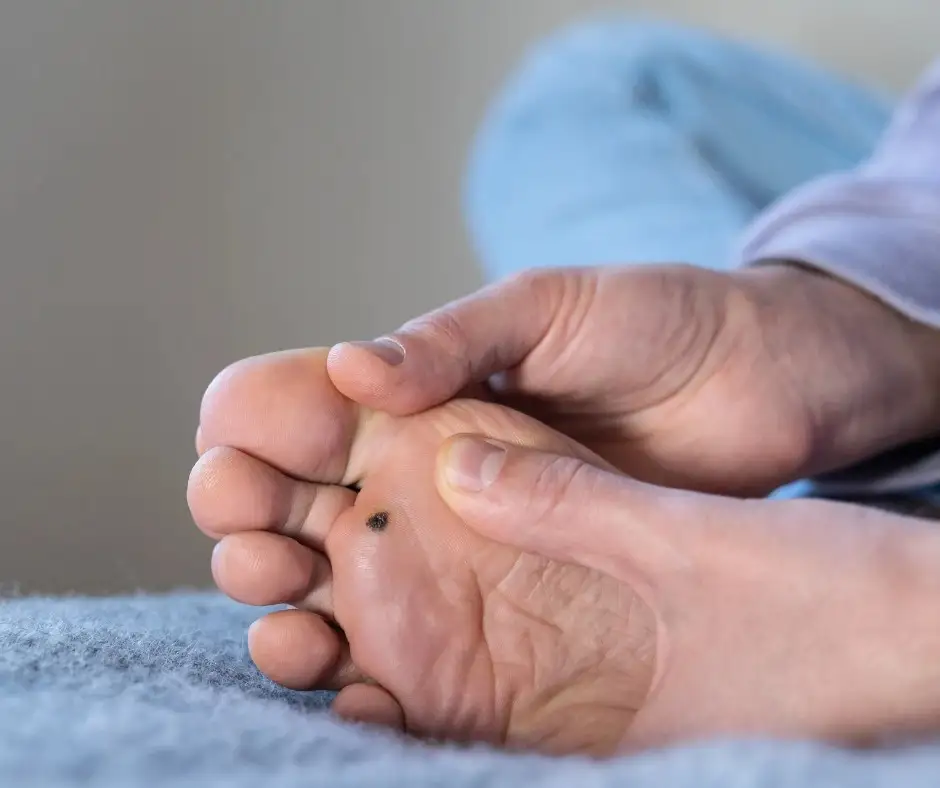
At first, you may feel very little. There might be a small pain when you get out of bed. You could notice a steady pain in your foot when you walk on hard floors. Sometimes, it feels as if you are walking on something tiny, like there is a pebble stuck under your skin. This is not something you are making up. Many people who deal with plantar warts feel this odd “bruised” or “pebble-in-shoe” feeling. It is real, and you can read about it in many cases. Often, you feel this before you even see a wart show up.
So, is this sensation typical of plantar warts? The answer is not just yes or no. We need to look more into why your foot feels this way, how it happens, and what it means when your foot hurts like this. A foot with a plantar wart may feel sharp or painful, almost like stepping on pins, instead of feeling like it should support you well.
What Causes the “Pebble-in-Shoe” Sensation?
The feeling of having a small stone under the bottom of the foot often happens because there is pressure on a wart inside the sole. This usually shows up in areas where you put a lot of weight, like the heel or the ball of the foot. Unlike skin problems that stay on the top, plantar warts grow inward. These warts come from human papillomavirus (HPV). This virus gets into the top part of the skin through direct or indirect touch. Because you walk and stand, the wart gets pushed deeper into the skin.
When these plantar warts show up on places you put weight on, they do not stick out like most warts. The warts stay under thick skin, which makes them feel hard. It can feel like you are stepping on something stuck in your shoe. This is why people say it feels like there is a pebble in the shoe.
This is a common sign of plantar warts. But people can often mistake it for other things. It may look like calluses, bone spurs, or even Morton’s neuroma. This is why it is important to have a doctor check it.
Why Plantar Warts Cause a Deep, Bruised Feeling
Let’s look at why a plantar wart can cause this kind of pain. To start, these plantar warts are found on the bottom of your feet. You put the most weight on this area when you walk. A plantar wart is a common wart that can occur more often in kids and young adults.
Most other warts stick out, but plantar warts get pushed in because you walk on them every day. They go into the skin. There are many ways you can try to treat them, even at home. Warts that are a lot like plantar warts can also show up in other parts of your body, and these warts can hurt, too. After a while, the way these warts go deeper into the skin can cause:
- Extra pressure inside the foot pushes on nerve endings, causing pain and a deep, sore feeling that can feel like a bruise.
- A callus grows on top of the wart. This makes the skin thicker and makes you feel even more like you are walking on a bump.
- Swelling happens in one spot, making that area feel much more tender during things you do every day, like standing, walking, or moving your weight.
This is why you feel like you have a pebble in your shoe when you get plantar warts. The wart by itself is not the only problem. There is the wart, the skin getting thick, some swelling, and the effect of your weight as you walk. All these things work together.
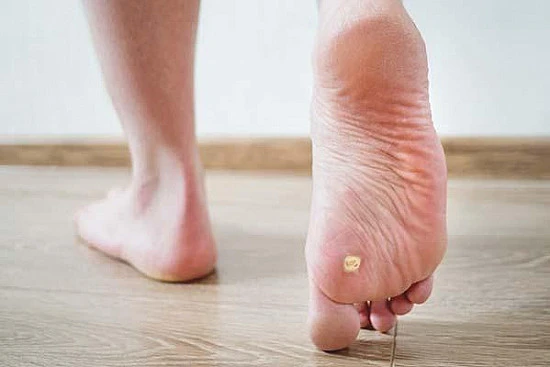
How Do Plantar Warts Create Such Distinct Pressure Sensations?
To know how this works, think about how the foot is made. The bottom of the foot has thick, strong tissue and many nerves. These help the foot deal with walking and take in more shock as you move. A plantar wart can mess up this balance. The thick core in the wart pushes against your foot, making moving feel bad. You should remember to take off dead skin from the top of your foot because leaving it on can make pain worse. Sometimes, the doctor may give you a shot or suggest a meeting with a skin doctor for surgical removal. This may help with the problem if blood vessels are part of what makes it happen.
Here’s how this plays out:
- Hyperkeratotic core: The wart makes a hard spot of skin, making a small and firm bump inside the tissue.
- Pressure on nerves: As the wart is squeezed between the bone and the floor, it puts pressure on the tiny nerves in the skin.
- Unplanned changes by the body: To keep from feeling pain, the body shifts how you stand or walk. This often leads to extra pain in the arch, heel, or even the foot that is not the sore one.
This is why plantar warts are very painful and hard to ignore. They hurt more than warts you get on other parts of the body.
Differentiating Plantar Warts from Similar Conditions
Not every feeling of bruising or pressure means you have plantar warts. It is good to check for other problems that may feel the same:
Symptom | Possible Cause
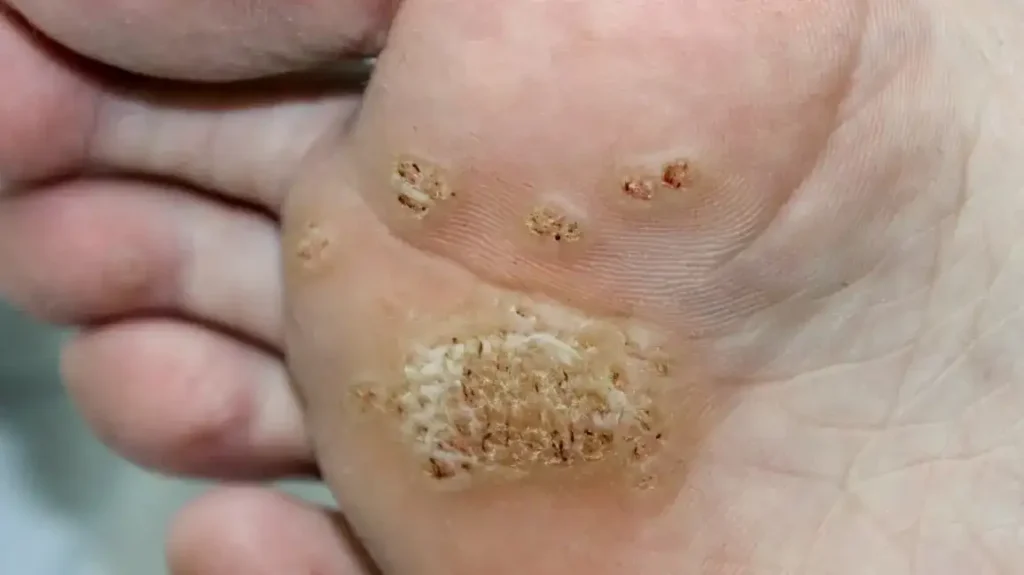
A plantar wart is known for its firm central part that it has. You can often see pinpoint tiny black dots in the middle. Many people just call them small black dots.
A plantar callus is a flat, thick area of skin. It has a smooth and even feel all over.
A sharp, stabbing pain in the heel is commonly linked to plantar fasciitis. This is a kind of pain that people feel when the thick band of tissue on the bottom of the foot gets hurt or swollen. If you feel this pain when you get up in the morning or after sitting for a long time, it could be plantar fasciitis. The pain can be sharp and feel like it comes out of nowhere. A lot of people get it after doing a lot of walking, running, or standing for a long time. If you have this kind of pain, try to rest your foot. You can also stretch and use ice to help. If it hurts a lot or does not get better, it may be a good idea to see a doctor.
There is a strong and burning feeling under the bones in the front part of the foot. This is known as Morton’s neuroma. This problem can make it hard to walk or stand for a long time. You may feel sharp pain, and sometimes it feels better when you sit down or take off your shoes. Morton’s neuroma happens when a nerve gets swollen or thick in that area. It is good to see a doctor if you feel this pain often or if it gets worse over time.
Warts show some clear signs. They can change the lines on the skin and have small black dots from clotted blood in the skin. A doctor will often need to look at plantar warts more closely. This might be done by using a special tool to see under the top layer of skin or by shaving a bit off the bump. These steps help to spot the main things that show it is a wart.

Why Are These Sensations More Pronounced in Some People?
The way people feel pain or pressure from warts can be very different. A few things can cause this to change:
- Where the wart is: Warts that are on the heel or ball of the foot feel more pressure and can hurt more.
- How thick the skin is around them: If the skin around the wart is thick, signs may take longer to appear, but the wart can go in deeper.
- A person’s nerves: Some people have soles that feel things more. This can make any pain feel worse.
- How a person walks: If the way you walk is not quite right, you may put more weight on the wart and feel extra pain.
- Shoe type: Shoes that are flat and do not support the foot can cause more rubbing and pressure. This can make the pain feel even worse.
Understanding these personal factors helps both patients and doctors make treatment plans that fit the person. These plans do more than just use the same wart removal methods for everyone.
Why This Feeling Feels Worse in the Morning and Evening
Many people feel this the most early in the day or late at night. There could be a few reasons for this. When you wake up in the morning or get ready for bed at night, your body and mind can feel tired or worn out. This can make you notice the feeling more.
Your body’s rhythm may also change during these times. It may feel the effects more when you wake up or before you sleep. Other things like hunger, stress, or changes in your mood can make it feel stronger at these times too.
If you find this feeling is hard to deal with in the morning or at night, remember you are not the only one. If you want, talk with your doctor for advice on what to do next.
A lot of people say that having plantar warts feels like there is a small pebble in their shoe. This feeling is strongest right when they get up in the morning. It also gets worse in the evening after walking all day. Why does this happen?
- The reason for morning pain is that the tissues supporting your foot get stiff overnight. When you stand for the first time (from your butt) to put pressure on the wart, even if it does not happen in large volumes, it aches there and irritates the nerves slightly.
- Evening pain comes from small injuries that build up all day long. Every step you take puts more stress on the wart and the tissues around it, so by the end of the day, the pain gets worse.
Yes, the sore feeling like a pebble in your shoe is very common with plantar warts. The pain can feel worse at some times than others.
When Is the “Pebble-in-Shoe” Feeling a Red Flag?
While the feeling itself is not dangerous, it can show if the wart is getting worse or if there could be other problems. These include:
- Deep root growth: Some warts can grow deep into the skin like roots. This can make the pain feel worse.
- Mosaic wart growth: Many warts can start to join together. These can cover a large part of the skin and cause more pain.
- Other infections: Rubbing can cause small cracks or let germs get in.
- Changed posture: If pain lasts for a long time, you might change the way you stand or walk. After some time, this can cause back, hip, or knee pain.
If the feeling stays for more than two or three weeks, gets worse, or starts to change how you move, it’s very important to see a foot doctor. Ignoring these warning signs may lead to ongoing pain and could affect normal foot function over time.
The Role of Lesion Depth and Location
One plantar wart may feel different than another. In fact, two main things decide how strong the feeling is:
Depth of the Wart
Shallow warts that stay close to the top of the skin may cause only a little pain. But if the wart goes deeper into the skin, it starts to press on nerves and other tissue each time you take a step.
Location on the Foot
- Warts on the heel feel more sore because of the way fat under the skin gets pressed down.
- Warts on the ball of the foot feel like you are stepping on a small stone, much more clearly.
- Warts in the arch of the foot may not get noticed right away. But, over time, they can change how you walk. This can bring pain to your knees or hips later.
This shows why two people who have plantar warts might feel very different about them, even if the warts are about the same size.
Why It Feels Worse Without Shoes—And Sometimes With Them Too
There is something strange going on here. A lot of people say you feel sore the most when you are barefoot. But some people say it actually feels worse to them when they have shoes on. Both of these things can be true, and this is the reason:
- Barefoot walking takes away the padding that shoes give. This makes the pressure from the wart feel stronger, and you can feel it more in your foot.
- Footwear, especially shoes that are tight or do not support your foot well, can put more pressure right on the wart. It can feel like you are stepping on a small rock under your foot.
Orthotics or custom insoles can take away this direct pressure. But, they will work only if the wart’s spot and how deep it is are checked the right way.

Pain and Feeling: Not All Warts Hurt the Same Way
Not every wart will feel the same. Some warts cause pain, but some only feel strange or a little rough. A wart can hurt when pressure is put on it, like when you walk on a wart on your foot. Other warts may not feel bad at all. Each person may feel pain or notice a wart in their own way. The type, spot, and size of the wart also change how it feels.
It’s important to tell the difference between pain and what you feel when we talk about plantar warts. Some warts do not cause pain, but you may still feel them when you touch or walk on the area. In other words, you may feel that something is not right, even if there is no pain yet.
This early feedback from your nerves can show up as:
- There are times when you feel light bruised pain during long walks.
- You may sometimes take a wrong step as your foot tries to avoid pressure without you knowing it.
- You feel muscle tightness in places like your calves because your body moves to make up for the pain.
So yes, when you feel sore or feel like there is a small stone in your shoe, it is normal with plantar warts. This feeling usually comes before you feel any real pain.
When You Should Worry: Signs the Feeling Means More
Sometimes, you feel something in your body, and it seems normal. But there are times when this feeling may be a sign of something more serious. It is smart to know what to watch for and when to talk to your doctor. This way, you and your loved ones can feel better and stay healthy.
Feeling like you have a pebble in your shoe is common with plantar warts. But in some cases, you may need to look into it more. This can raise the risk of infection. You should get a podiatric evaluation if:
- The feeling gets worse very fast.
- There is redness, warmth, or swelling with it.
- You feel no sense, feel tingling, or feel tired in your muscles.
- You do not see a wart, but the pressure is still strong.
Sometimes, bone spurs, cysts, or even early signs of nerve problems can feel the same. A proper checkup helps to make sure you are not treating the wrong thing.
Effective Ways to Relieve the Sensation Without Aggravating the Wart
If you have warts and feel pain because of them, several ways can help. You can use medicines from the store, like Advil or ibuprofen. A treatment with salicylic acid is another good choice. These can help give you some relief and will not make things worse.
- Custom orthotic inserts: These help move pressure away from the wart and take off a lot of pressure.
- Padding techniques: Use donut-shaped cushions around the spot to take the pressure off, especially after you have been in public changing rooms.
- Footwear modifications: Shoes that support your feet and have thick soles help lower direct pressure.
- Avoid aggressive scraping or cutting: This can spread the virus or hurt your skin, especially if you have just soaked your feet in warm water.
- Avoid aggressive scraping or cutting: This can spread the virus or hurt your skin, especially if you have just soaked your feet in warm water.
These steps are often the first things doctors try before moving on to treatments like cryotherapy, laser ablation, or immunotherapy. At this point, they also think about side effects that can come with these treatments.
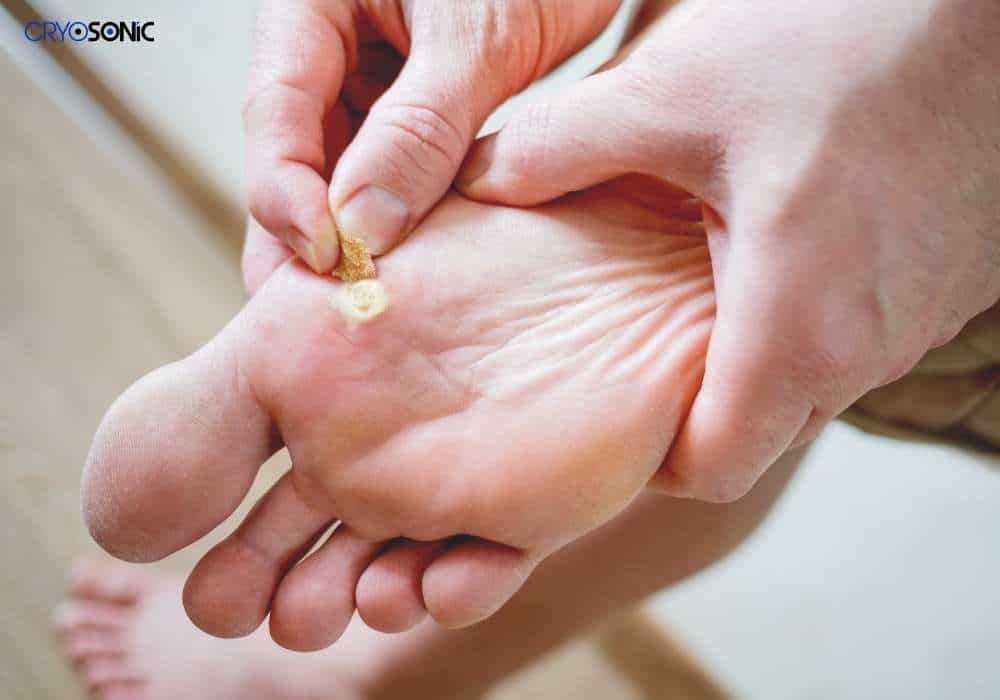
Final Thoughts: Why That Odd Sensation Deserves Your Attention
The next time you feel like there is a stone in your shoe but you do not see anything there, do not just ignore it. It could be the start of a plantar wart.
Act now – book your assessment and enjoy 25% off your first visit! You can see the full list of treatments and pricing online.
While this is a common condition, the feelings it causes can be hard to describe. They are linked to the way the foot is made and how it feels things. It is important to spot the problem early, see a doctor soon, and get treatment that fits you. This can help bring back comfort and make you feel sure in every step you take.
FAQs About the “Pebble-in-Shoe” Sensation and Plantar Warts
Q: Is the “pebble-in-shoe” or bruised sensation normal with plantar warts?
Yes. This is one of the most common early signs of plantar warts. Because the wart grows inward, pressure builds up on the nerves in the sole, creating a bruised or pebble-like feeling even before the wart becomes visible.
Q: Why does the pain feel stronger in the morning or late evening?
Stiffness can also affect the foot overnight, hence any pain in the morning will be more sensitive on the first step. The discomfort at night is usually due to the series of compressions received by the wart during the day, setting off the nerves in that area.
Q: What causes the strange feeling of walking on something when there’s nothing in my shoe?
Warts on the Plantar plant will have a dense core but compressed within thick skin. Both sitting or standing, this core pushes out against both tissues and nerve endings, so it is felt like something small has become lodged beneath your foot.
Q: Could this sensation be something else besides a plantar wart?
Yes. Callouses, corns, Morton’s neuroma, and even heel conditions such as plantar fasciitis can produce similar pressure sensations. In this case, a podiatrist in Cardiff and other locations can help you identify the real cause straight away.
Q: Why do some people in places like Cardiff feel black dots in their wart?
Those tiny black dots are clotted capillaries inside the wart. They are a hallmark of plantar warts and often become more noticeable with pressure or after debridement.
Q: Why do plantar warts hurt more when walking barefoot?
Walking barefoot removes any cushioning that shoes normally provide. This makes inward pressure worse and puts the wart directly against the hard ground, increasing discomfort.
For Further Information, Please Call Us: 03300 100 392